


What determines the cost of a logo?
The price depends on the problem to solve, the depth of the work and the materials your business needs to enter the market. Before comparing quotes, define where the brand will be used and who will prepare subsequent materials.
Launching a service may require a name with its logo, an avatar and a page image. A product with packaging, retail locations and distributor presentations requires a broader toolkit. Each application involves checking different sizes, materials, legibility and composition rules.
In a quote, review preparation, concept exploration, development of the chosen direction and delivery separately. If it only says “logo design,” ask for an explanation of each stage. Two services with the same name can have very different scopes.
The number of proposals also needs explaining. Three independent ideas are not the same as three color variations of one symbol. Ask what will be presented, how it will be justified and which limitations will be tested before approval.
The figure alone says little about the usefulness of the result. Examine the provider's work at small sizes, on packaging or within an interface—in the context your company actually needs. The ability to explain decisions and the commission's limits helps you assess a proposal before paying.
What should the price include to launch a brand?
The scope should identify the approved logo, necessary versions, files for your applications and usage conditions. There is no universal folder that serves every business equally well.
A website needs crisp files and a solution for small sizes. For printing or signage, the manufacturer may require vectors and specific preparation. Establish their requirements before closing delivery, not after everything has gone into production.
A color version on white does not solve a dark box or single-ink printing. Define monochrome versions, permitted backgrounds, minimum size and clear space. Include variations with a real purpose, not files added merely to lengthen the list.
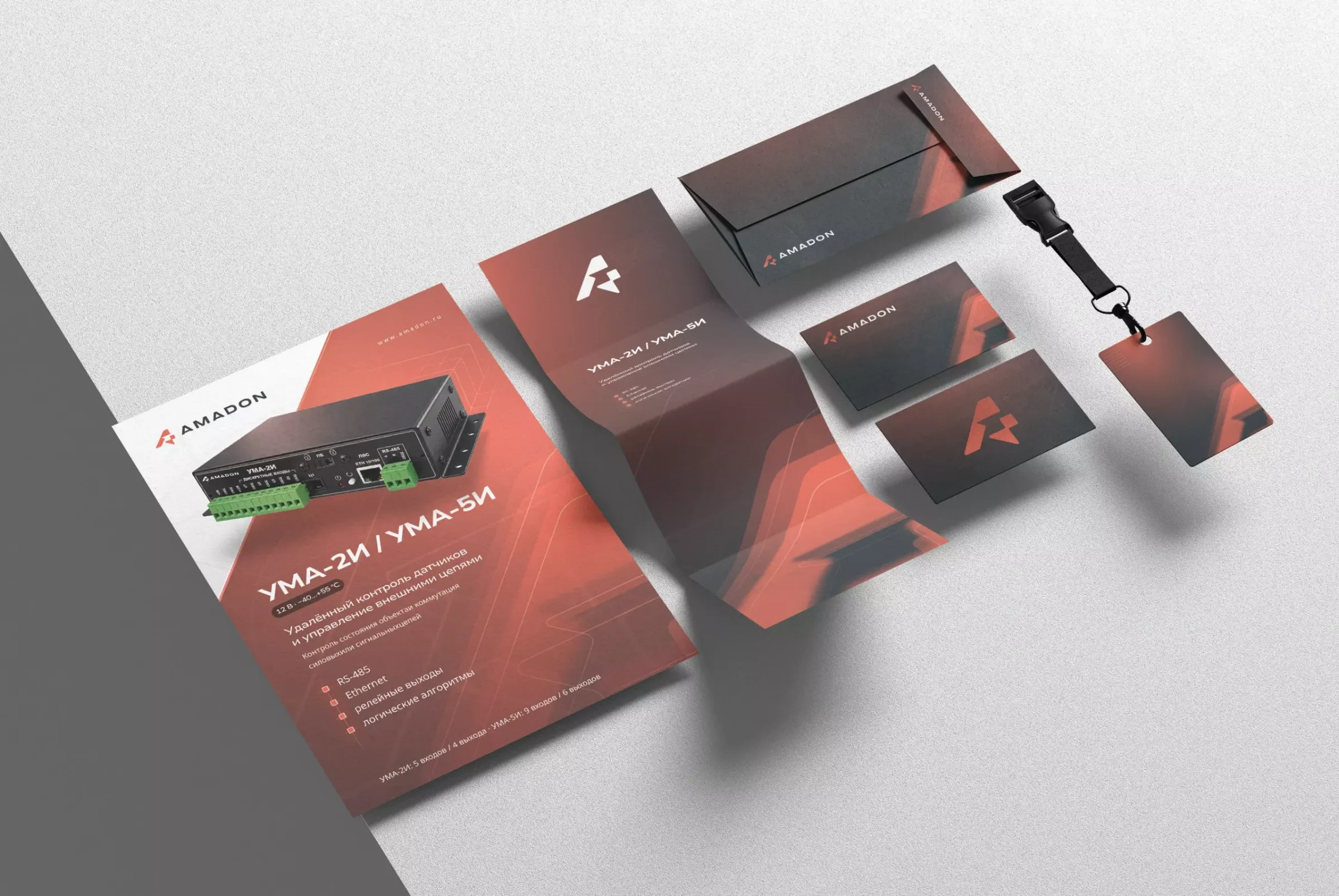
If commissioning an initial identity, specify the palette, typography, graphic elements and concrete applications. A business card, a presentation template and a box artwork file are different deliverables. “Applications included” without listing them leaves too much room for incompatible expectations.
Also clarify which materials will be editable, font licenses and the conditions for using and transferring the work. Receiving a folder does not automatically answer those questions. A short guide should enable your team or the next provider to use the system without reconstructing it.
How to compare quotes without comparing different things
Send the same brief to the providers you are considering: objective, outcomes, revisions, schedule and delivery. Ask them to mark what is included, additional and excluded. A blank line needs an answer: for example, are signage adaptation and editable files covered?
The provider's category does not determine scope either. A freelancer can follow a rigorous process; a studio may offer a limited package; an agency may include strategy and coordination across specialties. Read more about choosing a freelancer, studio or agency.
Ask who makes decisions and how feedback is consolidated. If everyone in your company sends instructions separately, even a detailed quote may stop reflecting the actual work.
Russian references in the original article are not Latin American prices
The original compared offers published in Russia and reviewed on October 22, 2026. They are retained here as context for that research, not as a market average or current rates for Mexico, Peru or other countries:
- Profi.ru: a published range of RUB 1,500–8,210 per service on its Moscow logo-design page. The scope of individual commissions varied.
- Kwork: listings by Helenos_graphics from RUB 2,000, DESIGN-LOGO from RUB 3,000 and antareus from RUB 15,000; packages and availability depended on each seller.
- Gusi–Lebedi: from RUB 180,000 for a logo, versions, files and application rules.
- MindRepublic: RUB 110,000, with four or five proposals and files for the chosen version.
- Facecom: from RUB 70,000, with basic applications and a guide.
The original review of Profi.ru and Kwork used indexed versions because of direct-access restrictions. These figures refer to different offers: they cannot establish what a Latin American designer “should” charge. Converting them into another currency would not equalize scope, conditions or the costs of each market.
For your project, confirm currency, applicable taxes, payment terms and quote validity with each provider. When comparing countries, record these differences rather than reducing everything to the final number.
When is an initial identity enough, and when do you need more?
An initial identity can be enough when the objective, main channels and immediate launch are clear. A broader scope makes sense when many product categories, channels or people will use the brand.
Commissioning only a logo can also be valid. If the need is genuinely limited to the symbol and there is no immediate expansion, define it that way. No company-size threshold obliges you to buy a particular package.
In practice, even a small project usually needs decisions about fonts, recurring colors and how materials are organized. That is why the logo should be considered alongside the minimum rules needed to apply it.
Test this against your next tasks: a service page, a sales proposal, packaging or a retail location. Who will prepare them after receiving the logo? If everyone must invent the rules from scratch, include a visual foundation and usage examples in the brief.
An extensive manual is useful when rules must circulate among teams and suppliers. A short guide may suffice for a focused launch. Ask about its structure and the operational questions it will answer: more pages do not automatically mean more value.
Timelines: what needs to be agreed
“Designing a logo” does not imply the same schedule in every service. Duration depends on scope, preparation of inputs and review agreements. Do not apply one package's timeline to every other project.
As historical context, the Espinoza packages cited in the original allowed three working days, ten working days and two to three weeks for different scopes. MindRepublic advertised ten to fifteen working days, and Gusi–Lebedi from three weeks. These are not Inkastar delivery commitments or universal timelines.
Divide the schedule into preparation, presentation of directions, selection, refinements and delivery. Clarify whether waiting for feedback is included, and distinguish working days from calendar days. Define when the clock starts: for example, once the name is approved, inputs are complete and the start is agreed.
An urgent request requires checking availability and scope. There is no universal rush surcharge. If the launch date is fixed, first agree the minimum set that must be ready, then the conditions for subsequent stages.
Mistakes that increase the final cost
The budget can grow when the task changes, unforeseen applications arise or revisions lack clear limits. A written description of the outcome reduces this uncertainty.
A hypothetical example: you commission a logo for a website, then add packaging with production requirements. Even if you still call it a “logo,” the task has changed. Additional design and technical verification need quoting before they are carried out.
Another source of conflict is the word “change.” Refining a chosen direction is not the same as searching for a new concept. Define a feedback round, how many are included and how any out-of-scope work is approved.
Within the company, one person should consolidate feedback. Agree criteria—legibility, context, technical restrictions—before discussing preferences. Contradictory instructions lengthen the process and make proposals harder to evaluate.
Ask about future costs: font licenses, new formats, production, name checks and trademark-registration support, where needed. Mentioning a task does not mean it is included in the design.
What to check before paying
The proposal should explain what you receive at the end of each stage and what remains for your team. Turn the scope into a list: chosen symbol, versions, identity, applications, guide and files. Mark each as “included,” “quoted separately” or “not needed.”
Check who supplies the name, copy and production requirements. If the name is still under discussion, ask how changing it after design begins would affect the project. Settle this before developing the symbol in detail.
Agree how delivery will be accepted. For packaging, that could mean artwork prepared to the printer's specific requirements; for an initial identity, clear rules and concrete templates. “Everything included” is no substitute for that definition.
If part of the budget remains open, ask why and when it can be specified. That information supports a better decision than an unlimited, open-ended promise.
An example of scope: Qphorus
For Qphorus, software for quantum chemistry, the commission included the symbol, working materials and application rules. The brand needed to work in presentations, interfaces and educational resources.
The idea connects an orbital form with the letter Q. Delivery included an initial guide covering colors, typography and composition rules. The case shows how development of the symbol connects to a system for several uses.
We do not publish that project's budget or timeline. It therefore cannot justify the price of a package. Its value lies in how the task was defined: list the places the brand will live before pricing it.
Checklist for comparing proposals
- Objective: product, audience, problem and real applications defined.
- Delivery: versions, rules, templates and materials listed.
- Concepts: number of directions and the distinction between refinement and a new commission.
- Schedule: start, stages, feedback and final delivery.
- Files: formats, editability, licenses and usage conditions.
- Extras: additional tasks and the approval process.
The most frequent mistakes are comparing only the total, leaving “revisions” undefined, adding uses at the end and assuming trademark registration comes with every design. Check each before deciding.
Inkastar prices: a starting point, not a universal rate
Services and their starting prices are listed on our Pricing page. They are expressed in the currency indicated there and based on a defined scope. For more extensive strategy, identity, websites and applications, we prepare a custom quote.
We do not transfer Espinoza's Russian packages or time commitments to Inkastar. The original listed proposals from RUB 40,000, RUB 110,000 and RUB 280,000; those figures describe another catalog and market. Our recommendation is to choose based on the applications and team that will use the identity, not a currency conversion.
Frequently asked questions
How much does a logo without a visual identity cost?
There is no single price for every commission. Context, objectives and delivery files must be defined first. Review each service's scope and confirm whether a logo-only solution meets your need.
Can freelancers, studios and agencies be compared?
Yes, if they receive the same brief and explain their work. The category alone does not clarify the difference: review stages, applications and revision conditions.
Which files should I request?
Those needed for screens, documents and production, including the relevant vector versions. Clarify which materials are editable and which guide will enable others to use the toolkit.
How many revisions should be included?
There is no number valid for every proposal. Agree rounds, consolidated feedback and the boundary between refining a direction and requesting another.
Can it be delivered faster?
That depends on availability, inputs and scope. Request a specific confirmation of timing and cost rather than assuming universal rush percentages.
Which other costs should I consider?
Fonts, extra applications, production preparation and registration-related services, where relevant. They should be identified as included or additional before starting.
Sources and context for this adaptation
This version adapts the original article by Denis Espinoza, which documents the links and review of Russian offers on October 22, 2026. Its historical context is retained without presenting it as research into the Latin American market. For Inkastar's current scope and prices, see our services and pricing pages.
Prepare a list of the materials needed to launch your brand. To define the scope before comparing proposals, tell us about your project.